As technology advances, many moral debates loom on the horizon. One such subject is the use of artificial wombs. While this advancement may allow doctors to save preemies at an earlier stage, it also raises concerns. Some advocate for growing babies completely outside the mother for the entirety of gestation. Today, we are joined by Dr. David Prentice and Dr. Tara Lee to discuss this hot topic.

Resources
Introduction to Science Alliance for Life and Technology
Nearly every day in the scientific and medical world brings news of great portent for the ethical treatment of human life– children born with a change in their genetic germline, mass production of human embryos and calls to allow these embryos to be kept alive beyond 14 days, genetic screening, and forms of CRISPr technology which selectively modifies DNA to affect our offspring and alter future generations, and more.

Science Alliance for Life and Technology
To respond to these changes and guide scientific research in ways that respect and protect human life, several scientific scholars and experts in various fields created the Science Alliance for Life and Technology (SALT). SALT was introduced in June at the National Right to Life Committee 2025 conference by two of its founding members, David Prentice, Ph.D., and James L. Sherley, M.D., Ph.D.

The Good, the Bad and the Deadly
The topic of artificial intelligence permeates the media and online discussions. Soon there will be no way to escape being impacted by AI in some form or fashion.
Like most things there are good and bad aspects to new technology.
AI is no exception. AI is already impacting pregnancy care.
Abortion Industry between a Rock and a Hard Place
The US Supreme Court has used viability as the determining factor whether or not unborn babies have the right to protection from abortion.
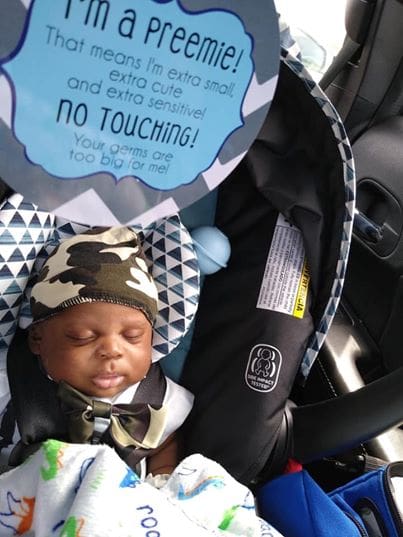
Viability is not a medical or scientific measure of the humanity of the unborn child. It is only the earliest point at which technology can keep a baby alive outside the womb.
The good news is that viability is receding earlier and earlier into pregnancy. A study published early this year demonstrates just how effective the medical community is at successfully keeping these extreme preemies alive and ultimately sent home to their families.
Guests

Dr. David Prentice has almost 50 years’ experience as a scientific researcher, professor, and academic administrator. He is the former VP and research director at the Charlotte Lozier Institute.
He is also former Advisory Board Chair and a Founding Member for the Midwest Stem Cell Therapy Center, a unique comprehensive stem cell center in Kansas that he was instrumental in creating. Dr. Prentice established Stem Cell Research Facts, an educational website about adult stem cells. In 2020, he was appointed by the Secretary of HHS to the federal Human Fetal Tissue Ethics Advisory Board. His previous service includes at Los Alamos National Laboratory, the Family Research Council, Professor of Life Sciences at Indiana State University, Adjunct Professor of Medical and Molecular Genetics at Indiana University School of Medicine, and Adjunct Professor of Molecular Genetics at the John Paul II Institute, The Catholic University of America. Dr. Prentice is an internationally-recognized expert on stem cell research, cell biology, and bioethics; he has provided scientific lectures, policy briefings and testimonies in 40 states and 21 countries, including before the U.S. House and Senate and numerous state legislatures, the U.S. National Academy of Sciences, the President’s Council on Bioethics, European Parliament, British Parliament, Canadian Parliament, Australian Parliament, German Bundestag, French Senate, Swedish Parliament, the United Nations, and the Vatican.
Dr. Prentice has published numerous peer-reviewed scientific and bioethics articles, including a review of stem cell science and adult stem cell treatments, has reviewed for various professional publications and been interviewed in virtually all major media outlets. He has also published many public commentaries and op-eds, and travels nationally and internationally to give invited talks for professionals, policymakers and the public regarding stem cell research, fetal tissue research, gene editing, cloning, embryology, cell, molecular and developmental biology, cell culture and vaccines, bioethics, and public policy.
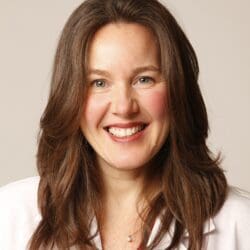
Tara Sander Lee, Ph.D. is a scientist with over 25 years’ experience in public policy, academic research, and clinical medicine in the life sciences.
She is a skilled speaker, writer, instructor, and science advisor dedicated to educating and promoting ethical healthcare advancements that protect the sanctity of human life from conception to natural death. She has contributed to medical journals and textbooks, offered scientific advice to legislators and policymakers, given testimony before the U.S. Congress, and participated in the U.S. Department of Health and Human Services Secretary’s Advisory Committee on Infant and Maternal Mortality. Dr. Sander Lee has been featured in op-eds and interviewed by radio, television, and major media outlets such as Fox News, USA Today, Newsweek, Daily Wire, National Review, and CBN News. Her PhD in Biochemistry is from the Medical College of Wisconsin and fellowship training in Cell and Molecular Biology from Harvard Medical School. She was the Vice President and Director of Life Sciences for the Charlotte Lozier Institute, where she served as Senior Editor for the human development website VoyageOfLife.com. Before joining the Lozier Institute, she was an Associate Professor at the Medical College of Wisconsin, Scientific Director of Molecular Diagnostics at Children’s Hospital of Wisconsin, and Scientific Consultant. Her recent efforts involve serving as a Science Advisor and Founding Board Member of Science Alliance for Life and Technology (SALT), a new collaboration among expert scientists resolved to guide the development of ethically sound and effective technologies and techniques. Dr. Sander Lee’s work is rooted in speaking the truth of how we are all “fearfully and wonderfully made” and created in the image of God.
Leave a Reply