
The abortion industry mercilessly tries to hide the tremendous grief that many men and women experience following an abortion. The truth is that abortion is a traumatic event that leaves scars on all involved. This week we are joined by experts David Rearden and Jarrell Mekenzie. They share important information about the lasting damage that abortion causes.

Resources

The Abortion and Mental Health Controversy Review
The abortion and mental health controversy is driven by two different perspectives regarding how best to interpret accepted facts. When interpreting the data, abortion and mental health proponents are inclined to emphasize risks associated with abortion, whereas abortion and mental health minimalists emphasize pre-existing risk factors as the primary explanation for the correlations with more negative outcomes.

Risk Factor Self Evaluation Sheet
Negative feelings after an abortion are common. The American Psychological Association has identified numerous risk factors that can predict which women are most likely to have more severe emotional reactions to abortion.
This check list of risk factors is developed from the medical research on abortion and mental health. It can help you to identify if you have any risk factors.
Please click anywhere in this block to open the printable self-evaluation sheet.

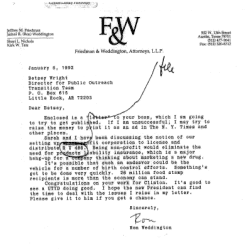
Ron Weddington Letter to President Clinton
Ron Weddington co-counsel in Roe v Wade wrote this letter urging then president-elect Clinton to secure the use of to use RU486 also known as mifepristone the chemical abortion drug to control the poor population in the United States.
Click anywhere in this box to read the original letter.

Men Share Their Abortion Regret
Abortion leaves a wake of death and sorrow. While the focus is often on the women impacted by abortion, men also suffer a with a terrible burden. This week Sean Corcoran and Kevin Fleming join Straight Talk on Life Issues to share their personal stories of abortion in their lives and how it impacted them.

Post Abortion Syndrome – Five Steps on how you can help
It would be difficult to find a pro-life person who isn’t aware of the negative psychological aftermath of abortion, commonly known as Post-Abortion Syndrome. For most, it conjures up a rather vague vision of her feeling considerable personal guilt and regret at having had the abortion. Frequently one’s knowledge of this comes from having known a friend who suffers from this problem. For a few readers, this is intensely personal, as it is they, personally, who are hurting. The purpose of this article is to briefly set forth the problem and its symptoms, and then to discuss in more detail how each of you can help such a woman.
Guests

David Reardon director of the Elliot Institute and an associate scholar with the Charlotte Lozier Institute. He is widely recognized as one of the leading experts on the aftereffects of pregnancy loss on women.
He is the author of numerous books and peer-reviewed articles on this topic, including the most comprehensive summary of the medical literature on abortion and mental health.
Articles about Dr. Reardon and his work have appeared in numerous magazines and newspapers, including Newsweek and the New York Times. He is a frequent guest on Christian radio and Christian television talk shows and has been a keynote speaker at many state and national conventions for crisis pregnancy centers and pro-life organizations.

Mekenzie Jarrell is a 25-year-old Navy veteran who served for four and a half years. Today, she works full time and leads abortion recovery classes, helping men and women who regret their abortions find hope, healing, and lasting freedom through Jesus.
She’s passionate about walking with others through their healing journeys and exposing the ways the abortion industry continues to hurt individuals and families every day.
Leave a Reply